
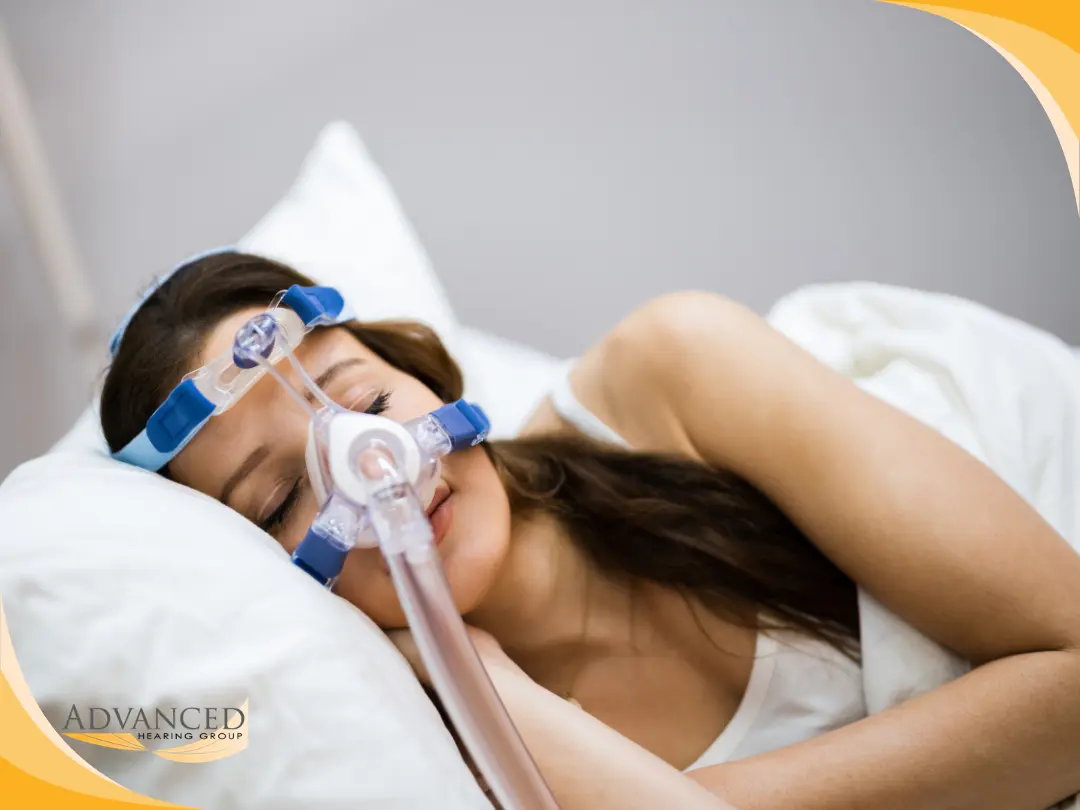
If you wake up feeling exhausted or have been told that you snore loudly, you might be dealing with more than just a rough night’s sleep. Obstructive Sleep Apnea (OSA) is one of the most common sleep disorders worldwide. But what exactly is it?
In simple terms, OSA happens when your airway partially or completely collapses while you are sleeping. This collapse temporarily cuts off your breathing, which leads to a drop in your oxygen levels and forces you to wake up briefly to catch your breath, severely disrupting your sleep cycle.
While you might associate sleep apnea with fatigue or snoring, recent research shows it can actually take a significant toll on your hearing health.
Sleep Apnea: A Widespread and Often Undiagnosed Problem
Sleep apnea is incredibly common, yet largely untreated. Right now, an estimated 30 million Americans have some form of sleep apnea, but only about 6 million have been officially diagnosed.
While anyone can develop the condition, certain groups are at a higher risk. Adults over the age of 65 are significantly more likely to experience sleep apnea, and men are more than twice as likely to develop the disorder compared to women. Leaving OSA untreated means dealing with chronic nonrestorative sleep, which has massive implications for your mental health, your overall quality of life, and even your safety while driving.
How Sleep Apnea Impacts Your Ears and Leads to Hearing Loss
So, how does a breathing and sleep issue affect your ears? It all comes down to oxygen.
Individuals with OSA frequently show poorer hearing compared to those without the disorder. Furthermore, studies show a direct correlation: the more severe your sleep apnea, the more severe your hearing loss is likely to be.
When you stop breathing during an apnea episode, the oxygen levels in your blood drop. The delicate structures inside your inner ear rely on a steady, rich supply of oxygen to function correctly and process sound. Repeatedly starving these structures of oxygen can cause permanent damage, leading to sensorineural hearing loss. It is worth noting that other factors, like natural aging and cardiovascular conditions, also contribute to hearing loss, making it challenging for doctors to establish a single, direct cause, but the link between the two conditions is undeniable.
The Broader Health Risks of Obstructive Sleep Apnea
Hearing loss isn’t the only risk factor associated with OSA. When your body is constantly stressed by a lack of oxygen and disrupted sleep, it takes a toll on your entire system. Obstructive sleep apnea is closely linked to a variety of serious health risks, including obesity, high blood pressure, GERD (acid reflux), diabetes, and high cholesterol.
Because of the clear connection between oxygen deprivation and inner ear damage, individuals diagnosed with or suspecting they have OSA should prioritize regular hearing tests to monitor their ear health. Managing your sleep apnea is crucial, but so is protecting your ability to hear the world around you.
If you or a loved one are struggling with sleep apnea, do not wait for your hearing to fade. Contact us at Advanced Hearing Group in Mesa or Scottsdale, AZ to have your hearing evaluated today.