
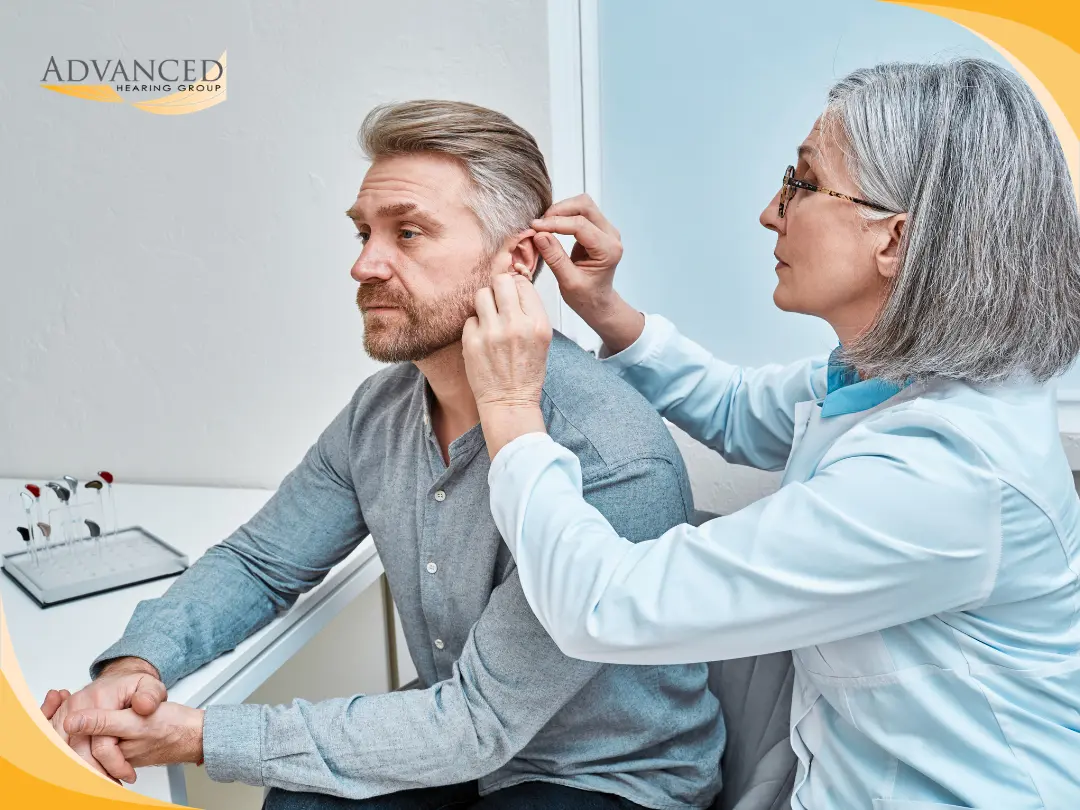
When you get new hearing aids, you probably expect them to help you hear conversations more clearly, enjoy everyday sounds, and feel more connected to the people around you. But did you know that choosing the right hearing aids is only part of the process? How your hearing aids are programmed and fitted can make a significant difference in how well they work for you.
That’s where Real Ear Measurement (REM) comes in.
Real Ear Measurement is a specialized procedure audiologists use to verify how much sound your hearing aids actually deliver inside your ears. Rather than relying solely on manufacturer settings or your feedback about how things sound, REM provides objective measurements that help your audiologist fine-tune your hearing aids for your individual hearing needs.
Let’s explore what Real Ear Measurement is, how it works, and why it’s an important part of a professional hearing aid fitting.
What Is Real Ear Measurement?
Real Ear Measurement (REM) is a hearing aid verification procedure that measures the sound produced by a hearing aid inside your ear canal. It helps an audiologist determine whether your hearing aids are delivering the appropriate amount of amplification across different pitches and sound levels based on your hearing test results.
You may also hear Real Ear Measurement referred to as probe microphone measurement or real ear verification.
Here’s why it matters: Everyone’s ears are different.
Even two people with similar hearing loss can have differences in ear canal size, shape, and acoustics. These differences influence how sound travels through the ear and how hearing aid amplification is experienced.
As a result, the same hearing aid settings won’t necessarily produce the same results for everyone.
Real Ear Measurement allows an audiologist to evaluate the sound delivered inside your unique ear canal and make adjustments based on actual measurements rather than estimates alone.
How Is Real Ear Measurement Different From a Hearing Test?
A hearing test and Real Ear Measurement serve different but complementary purposes.
- A hearing test measures your hearing abilities and helps identify the type, degree, and configuration of hearing loss.
- Real Ear Measurement verifies how your hearing aids amplify sound inside your ears and whether that amplification matches prescribed targets.
Think of it this way: Your hearing test helps establish what you need to hear better, while Real Ear Measurement helps confirm that your hearing aids are providing the intended amplification.
Both can play an important role in personalized hearing healthcare.
How Does Real Ear Measurement Work?
Although Real Ear Measurement uses specialized equipment, the procedure itself is relatively simple, noninvasive, and generally comfortable.
Here’s what you can typically expect during a Real Ear Measurement test.
Step 1: Your Audiologist Reviews Your Hearing Test Results
Before performing REM, your audiologist reviews your audiogram, which shows how well you hear sounds at different frequencies. These results are used to establish appropriate amplification targets based on a recognized hearing aid prescription.
The goal is to provide sufficient access to important sounds while keeping amplification comfortable.
Step 2: A Small Microphone Is Placed in Your Ear Canal
Your audiologist gently places a thin, flexible probe tube containing a tiny microphone into your ear canal. This microphone measures sound levels close to your eardrum.
Your hearing aid is then positioned in your ear alongside the probe tube. The microphone allows the audiologist to measure the actual sound being delivered by your hearing aid.
Step 3: Different Sounds Are Played Through a Speaker
You’ll sit near a calibrated speaker while a series of test sounds is presented. These sounds may include speech-like signals at different volume levels, representing soft, average, and loud speech.
The probe microphone measures how your hearing aids amplify these sounds inside your ears.
Step 4: Your Audiologist Compares the Results With Prescribed Targets
Specialized software displays the measured amplification and compares it with the targets established from your hearing test results. This helps your audiologist identify whether certain frequencies are receiving too much or too little amplification.
For example, if your hearing aids aren’t providing enough amplification for high-frequency speech sounds, you may have difficulty hearing certain consonants even when conversations seem loud enough.
Related article: Why Can I Hear People Talking but Can’t Understand What They’re Saying?
Step 5: Your Hearing Aids Are Adjusted and Rechecked
If the measurements don’t closely match the prescribed targets, your audiologist can adjust your hearing aid programming. The measurements are then repeated to verify the changes.
This process helps ensure that your hearing aids are delivering appropriate amplification for your individual hearing needs.
The result is a more precise, evidence-based hearing aid fitting that accounts for how sound actually behaves inside your ears.
Why Is Real Ear Measurement Important for Hearing Aid Fittings?
Real Ear Measurement is widely recognized as an important component of best-practice hearing aid fitting because it provides objective verification of hearing aid performance.
Here are several reasons why REM matters.
1. It Helps Personalize Your Hearing Aid Settings
Hearing aids are sophisticated devices, but their initial programming is based on estimates of how sound will behave in an average ear.
Your ears aren’t average—they’re uniquely yours.
Real Ear Measurement helps your audiologist account for your individual ear canal acoustics and adjust your hearing aids accordingly.
This additional level of precision can help your hearing aids provide amplification that more closely matches your hearing prescription.
2. It Can Help Improve Access to Speech Sounds
One of the most common complaints among people with hearing loss is, “I can hear people talking, but I can’t always understand what they’re saying.”
This happens because hearing and understanding speech are not exactly the same thing.
Certain speech sounds, particularly softer high-frequency consonants such as “s,” “f,” and “th,” may be difficult to hear when hearing loss affects higher frequencies.
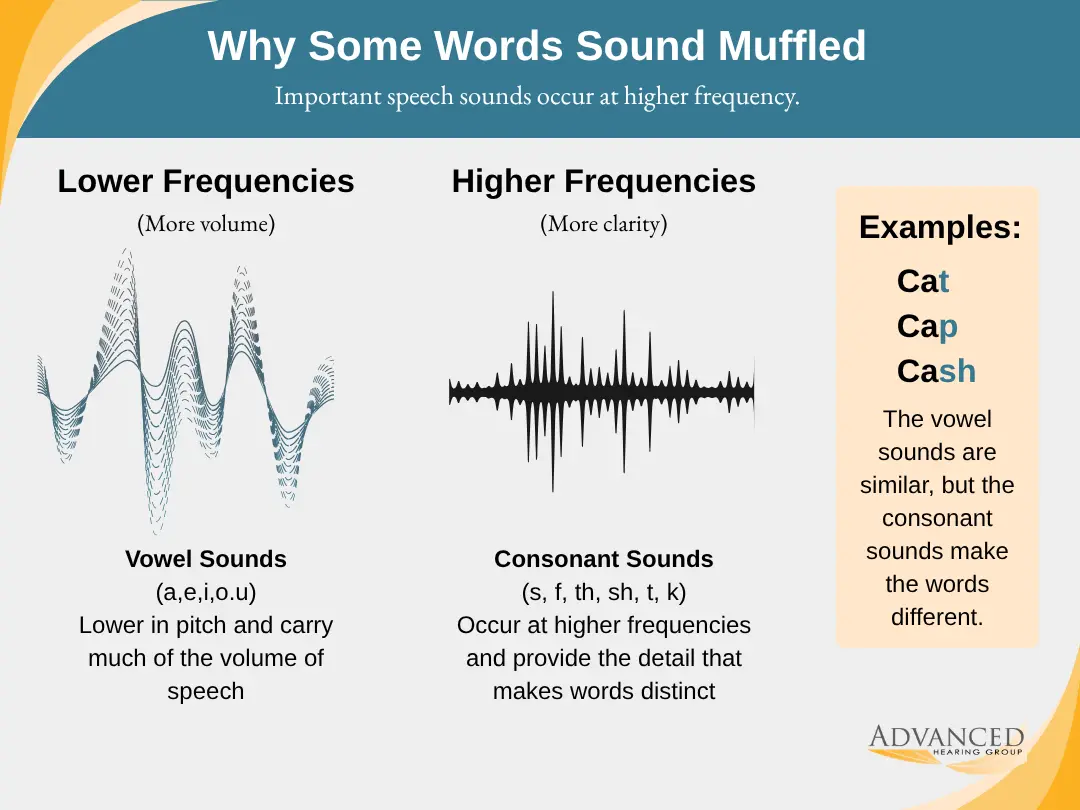
If your hearing aids aren’t providing enough amplification in these areas, speech may sound loud enough without being completely clear.
Real Ear Measurement helps verify that important speech frequencies receive appropriate amplification, which may improve access to speech information.
However, REM cannot guarantee perfect speech understanding. Factors such as the severity of hearing loss, background noise, and auditory processing also influence how well you understand conversations.
3. It Helps Prevent Over-Amplification and Under-Amplification
More amplification isn’t always better.
Hearing aids that provide too little amplification may leave important sounds difficult to hear. On the other hand, excessive amplification can make everyday sounds uncomfortable or unnecessarily loud.
Real Ear Measurement helps audiologists evaluate amplification across different sound levels.
This makes it easier to identify and correct settings that don’t match the prescribed targets while also considering your comfort and personal listening needs.
4. It Provides Objective Verification Instead of Guesswork
Your feedback is an essential part of hearing aid fitting, but it doesn’t tell the whole story.
For example, you might report that your hearing aids sound comfortable even though they’re not providing enough amplification for certain speech sounds.
Real Ear Measurement gives your audiologist objective information to supplement your feedback.
Together, these measurements and your real-world experiences help guide hearing aid adjustments.
5. It Helps Establish a Baseline for Future Adjustments
Your hearing needs can change over time.
You may experience changes in hearing sensitivity, switch to different hearing aid domes or earmolds, or need adjustments because of changes in your listening environments.
Real Ear Measurement results can provide useful baseline information for future appointments.
Your audiologist can perform additional measurements when appropriate to help determine whether your hearing aids are continuing to deliver suitable amplification.
Is Real Ear Measurement Necessary for Hearing Aids?
Real Ear Measurement is considered a best-practice verification method for hearing aid fittings and is recommended in professional audiology guidelines.
Although hearing aids can be programmed without REM, manufacturer-recommended settings don’t always provide the intended amplification inside an individual’s ear.
This is why professional verification is valuable.
Without Real Ear Measurement, an audiologist may rely more heavily on predicted hearing aid output and patient feedback.
With REM, the audiologist can measure the sound actually delivered in the ear canal and use that information to guide adjustments.
For someone investing in hearing aids, this added verification can be an important part of achieving an appropriate fitting.
Can Real Ear Measurement Help if Your Hearing Aids Don’t Sound Right?
Yes! Real Ear Measurement may be helpful for people who already wear hearing aids but aren’t satisfied with their performance.
You might benefit from a hearing aid evaluation and verification if:
- You can hear people speaking but struggle to understand their words.
- Your hearing aids sound too loud or too soft.
- Certain voices or sounds seem muffled.
- You frequently adjust your hearing aid volume.
- You’ve never had your hearing aids professionally verified.
- You’ve recently experienced changes in your hearing.
- Your hearing aids have been reprogrammed or fitted with different earmolds or domes.
However, not every hearing aid problem is caused by programming.
Earwax buildup, damaged components, improper physical fit, changes in hearing, and other factors can also affect performance.
A comprehensive hearing aid evaluation can help identify the underlying issue and determine whether Real Ear Measurement, programming adjustments, maintenance, or another solution is appropriate.
Why Professional Hearing Aid Fitting Matters
Modern hearing aids offer impressive technology, including noise management, directional microphones, wireless connectivity, and sophisticated sound processing.
But even advanced hearing aid technology needs to be appropriately selected, fitted, and programmed to meet your needs.
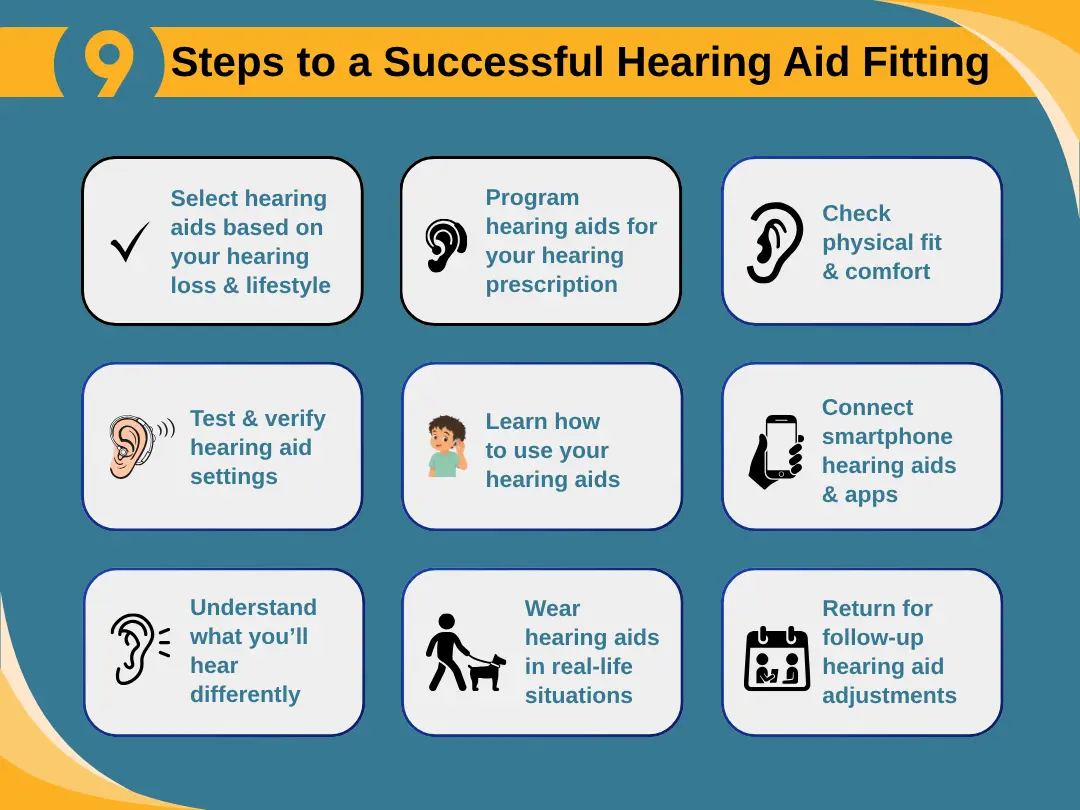
A comprehensive professional hearing aid fitting may include:
- Reviewing your hearing evaluation and communication goals
- Selecting hearing aids suited to your hearing loss and lifestyle
- Programming your hearing aids using an appropriate hearing prescription
- Verifying amplification through Real Ear Measurement
- Evaluating physical fit and comfort
- Teaching you how to use and maintain your hearing aids
- Making follow-up adjustments based on your listening experiences
Real Ear Measurement is an important part of this process, but it doesn’t replace personalized care or follow-up appointments.
The best hearing aid fitting combines objective measurements, professional expertise, and your feedback about how you’re hearing in everyday life.
At Advanced Hearing Group, our audiology services focus on helping individuals understand their hearing needs and explore appropriate solutions for better hearing and communication.
Whether you’re considering hearing aids for the first time or are experiencing difficulties with your current devices, working with a qualified audiologist can help you make informed decisions about your hearing healthcare.
Frequently Asked Questions About Real Ear Measurement
Is Real Ear Measurement painful?
No. Real Ear Measurement is a noninvasive procedure and is generally painless. Your audiologist places a thin probe tube into your ear canal to measure sound levels. You may notice the tube, but most people tolerate the procedure comfortably.
How long does Real Ear Measurement take?
Real Ear Measurement typically takes approximately 10–30 minutes, depending on the hearing aids, the measurements needed, and whether programming adjustments are required. It may be performed as part of a longer hearing aid fitting appointment.
Can Real Ear Measurement improve hearing aid performance?
Real Ear Measurement can help an audiologist identify and correct differences between prescribed amplification targets and the sound actually delivered by your hearing aids. This may improve access to speech sounds and help achieve a more appropriate fitting. Individual results vary.
Do all audiologists use Real Ear Measurement?
Not every hearing aid provider routinely performs Real Ear Measurement. If you’re considering hearing aids, it’s reasonable to ask whether probe microphone verification is included in the fitting process.
Can Real Ear Measurement be performed on existing hearing aids?
Yes. Real Ear Measurement can often be performed on hearing aids you already own, provided the devices are functioning properly and are suitable for verification. Whether programming adjustments are possible depends on the hearing aid model, available software, and other factors.
Is Real Ear Measurement the same as hearing aid programming?
No. Hearing aid programming involves adjusting the device’s settings. Real Ear Measurement is a verification procedure that measures the amplification delivered inside your ear canal. Audiologists can use REM results to guide programming adjustments.
Does Real Ear Measurement help with hearing in noisy environments?
REM can help ensure that hearing aids provide appropriate access to speech sounds, which is an important foundation for communication. However, understanding speech in background noise also depends on factors such as hearing loss, speech-processing ability, hearing aid features, and the listening environment.
How often should Real Ear Measurement be performed?
REM is especially valuable during an initial hearing aid fitting. Repeat verification may also be appropriate when hearing aid settings change significantly, hearing thresholds change, or physical components such as earmolds or domes are replaced. Your audiologist can recommend when additional verification is needed.
Get More From Your Hearing Aids With Professional Audiology Care in Mesa and Scottsdale, AZ
Your hearing aids should do more than simply make sounds louder. They should provide amplification that is appropriate for your hearing needs and help you communicate as effectively and comfortably as possible.
Real Ear Measurement is one of the valuable tools audiologists can use to verify hearing aid performance and support more personalized fittings.
At Advanced Hearing Group, our experienced audiology team helps individuals throughout Mesa, Scottsdale, and surrounding Arizona communities find hearing solutions that fit their needs, preferences, and lifestyles.
Whether you’re ready to explore hearing aids, need a comprehensive hearing evaluation, or want help improving the performance of your current devices, we’re here to help.
Contact us today to schedule an appointment and learn more about our professional hearing aid fitting, programming, and audiology services. You can also ask our team about Real Ear Measurement and the verification procedures available during your hearing aid appointment.